Webhooks security documentation
When I took on rewriting Ably's webhook security documentation, I faced a classic docs engineering challenge: how do you make security concepts practical without compromising safety? Security documentation typically falls into two traps - either it's too simplistic to be useful, or so complex that developers skip the security altogether.
The existing documentation had become a collection of theoretical concepts with few practical examples. Developers were implementing webhooks without proper security, not because they didn't care about security, but because they couldn't figure out how to implement it correctly from the documentation.
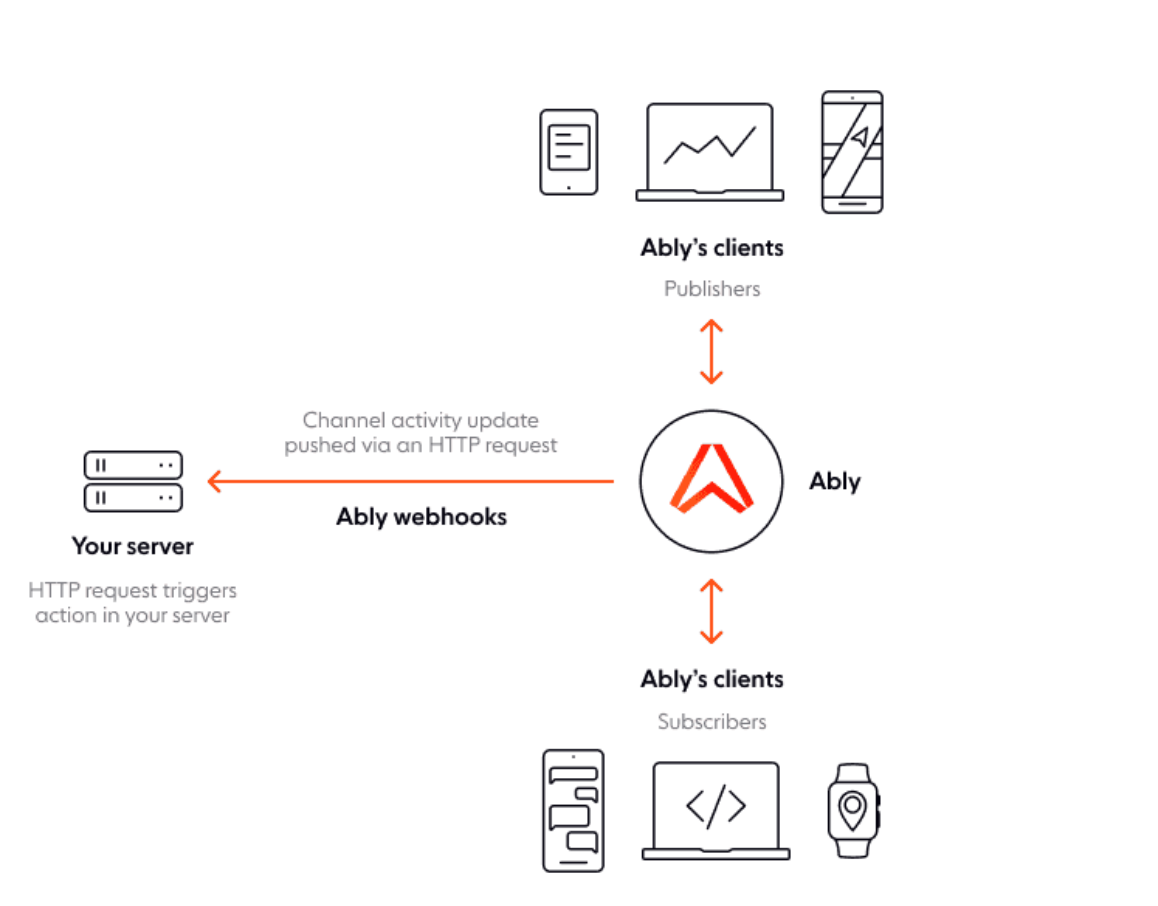
Understanding the documentation challenge
Webhook security sits at the intersection of cryptography, web development, and API design. The original documentation treated these as separate concerns, when developers needed to understand how they work together in practice.
| Challenge | Impact |
|---|---|
| Abstract security concepts | Developers couldn't translate theory into working code |
| Missing code examples | No way to verify signature validation was working correctly |
| Common mistakes undocumented | Developers repeated the same security errors |
| External link confusion | Developers got lost in cryptographic theory instead of implementation |
My approach
Step-by-step implementation guides
The key insight was that developers needed to see security implementation, not just read about it. I restructured the documentation around the actual workflow developers follow when implementing webhook security.
| Implementation Step | Purpose |
|---|---|
| Signature verification examples | Working code in multiple languages showing exact implementation |
| Common mistakes section | Real examples of what developers actually get wrong |
| Testing and validation | How to verify your security implementation works correctly |
| Security checklist | Practical items developers can check before going to production |
Cross-platform code examples
Developers work in different languages, but webhook security concepts remain consistent. I created parallel examples that showed the same security implementation across platforms.
| Platform | Implementation Focus |
|---|---|
| Node.js | Using crypto module for HMAC verification |
| Python | With hashlib for signature validation |
| PHP | Secure hash comparison methods |
| Ruby | OpenSSL integration patterns |
Production security considerations
Theory doesn't help when you're deploying to production. I focused on security measures that developers could actually implement and verify.
| Security Measure | Implementation |
|---|---|
| Endpoint security | Proper HTTPS configuration and certificate validation |
| Signature timing | Crypto-safe comparison methods to avoid timing attacks |
| Replay prevention | Using timestamps and nonce values effectively |
| Error handling | Failing securely without leaking implementation details |
What I removed
The original docs had confusing external links that sent developers down rabbit holes. I removed unnecessary complexity and focused on Ably-specific security implementation.
Developer-focused security
Key principle: Security docs should make developers more secure, not more confused.
Implementation decision trees
Developers need specific guidance, not generic security advice. I created clear decision paths that connected security concepts to actual implementation choices.
| Decision Point | Guidance |
|---|---|
| Production verification | Use this signature verification method for production environments |
| Local testing | This is how you test webhook security in development |
| Header validation | These are the exact headers you need to validate |
| Error scenarios | How to handle verification failures securely |
Security implementation patterns
The most valuable part of the documentation became the section on what actually goes wrong in production. These weren't theoretical vulnerabilities - they were real patterns I saw in support tickets.
| Vulnerability Pattern | Why It Happens | Solution |
|---|---|---|
| Skipped verification in development | Developers disable security for testing | Provide secure development testing methods |
| Unsafe string comparison | Standard comparison vulnerable to timing attacks | Use crypto-safe comparison functions |
| Missing timestamp validation | Prevents replay attack protection | Include timestamp verification in examples |
| Unprotected endpoints | Webhook URLs exposed without authentication | Show proper endpoint protection patterns |
Live documentation
You can see the current security documentation at:
Results and developer impact
The rewritten security documentation had measurable impact on how developers implemented webhook security. This wasn't just about better documentation - it was about making security implementation accessible enough that developers would actually use it.
| Metric | Result |
|---|---|
| Support ticket volume | Security-related webhook tickets dropped significantly |
| Community feedback | Fewer reported security implementation issues |
| Developer experience | Improved satisfaction scores for webhook integration |
| Security adoption | More developers implementing proper signature verification |
The key insight was that security documentation shouldn't just explain how cryptography works - it should make implementing security so straightforward that skipping it feels harder than doing it right.